
In metal processing, sheet metal stamping die plays an important role in improving production efficiency, product accuracy, and manufacturing quality. A good stamping die design can reduce defects, extend tool life, and lower production costs.
During stamping die manufacturing, factors such as die structure, material selection, clearance adjustment, lubrication, and maintenance directly affect the final stamping performance.
This article introduces key tips for improving stamping die performance, including stamping die clearance, die maintenance, sharpening, and common production problems.
Stamping Die Clearance and Scrap Analysis
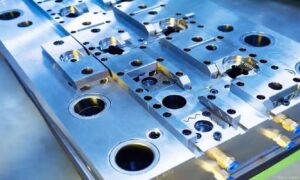
The scrap produced during punching can show whether the stamping die clearance is suitable.
When the clearance is too large, scrap usually has a rough fracture surface, large burrs, and poor hole accuracy. When the clearance is too small, friction increases, causing faster die wear, punch damage, and material sticking.
A proper stamping die clearance creates a balanced fracture surface, reduces punching force, minimizes burrs, and improves product quality.
Choosing the right clearance is always a balance between tool life and stamping accuracy.
How to Improve Stamping Die Life
The service life of a stamping die depends on material, design, processing accuracy, and maintenance.
During stamping die manufacturing, manufacturers should consider:
Material selection、die structure、lubrication、surface treatment、alignment accuracy.
Common die materials include xxx、xxx、xxx.
Surface treatments such as TiN coating, TiCN coating, and nitriding can improve wear resistance and reduce friction.
Regular stamping die maintenance also helps prevent unexpected downtime and extends tool life.
Stamping Die Design Tips for Better Production
A reliable stamping die design should match the product requirements and production conditions.
Engineers need to consider:
Material thickness、part structure、production volume、accuracy requirements.
For different applications, stamping dies may require different solutions, such as xxx、xxx、xxx.
Proper design can reduce problems like cracks, deformation, excessive burrs, and unstable forming.
Stamping Die Sharpening and Maintenance
Regular sharpening is essential for maintaining stamping quality.
A worn punch or die may cause:
Large burrs、poor hole quality、higher machine load.
Proper sharpening can improve cutting accuracy and extend die service life.
During sharpening, excessive grinding should be avoided because overheating may reduce die hardness and shorten tool life.
After sharpening, the stamping die should be cleaned, lubricated, and inspected before production.
Common Stamping Die Problems and Solutions
During production, common problems include punch sticking, excessive wear, scrap rebound, and difficult stripping.
These problems are usually related to:
Incorrect clearance、poor lubrication、worn components、improper installation.
Solutions include adjusting the clearance, improving lubrication, replacing worn parts, and optimizing die settings.
Conclusion
High-quality sheet metal stamping die requires proper design, precision manufacturing, and regular maintenance.
By optimizing stamping die design, selecting suitable stamping die clearance, and following correct maintenance methods, manufacturers can improve production efficiency, reduce defects, and extend tool life.
Professional stamping die manufacturing provides reliable support for industries such as automotive, electronics, appliances, and metal fabrication.

