
Common Stamping Die Problems and Solutions for Better Production Performance
Stamping dies are the core components of every metal stamping operation. Their condition directly affects product quality, production efficiency, and manufacturing costs. Even with advanced stamping equipment, poor die maintenance or incorrect adjustment can lead to production defects and reduced tool life.
In the stamping die manufacturing process, problems such as punch wear, scrap sticking, poor alignment, and spring failure are common challenges. Understanding the causes and solutions helps manufacturers improve production stability and reduce downtime.
This article introduces common stamping die problems, their causes, and practical solutions to improve stamping die maintenance and extend tool service life.
Why Stamping Die Maintenance Is Important
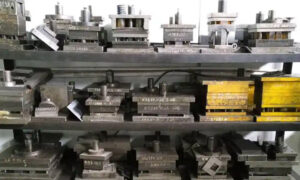
A stamping die forms sheet metal into finished parts through processes such as punching, blanking, bending, and forming.
Compared with traditional machining methods, stamping provides advantages such as:
Higher production efficiency、lower material waste、better repeatability、suitable for mass production.
However, during long-term operation, factors such as wear, improper clearance, poor lubrication, and incorrect installation can affect stamping quality.
Proper stamping die maintenance helps manufacturers maintain stable production and reduce unnecessary repair costs.
Common Stamping Die Problems and Solutions
Punch Wear Too Quickly
Excessive punch wear is one of the most common problems in stamping production.
The main causes include:
Incorrect stamping die clearance、poor punch and die alignment、worn guide components、high operating temperature、improper sharpening.
When the clearance is too small, friction increases and the punch may wear faster. Long-term high-speed operation can also generate excessive heat and reduce tool performance.
To improve punch life, manufacturers should:
Maintain proper die clearance、inspect guide components regularly、use correct sharpening methods、ensure accurate die installation.
A well-designed stamping die design can significantly reduce wear and improve production stability.
Scrap Sticking and Slug Pulling Problems
Scrap sticking is another common issue that affects automatic stamping operations.
When scrap cannot fall properly, it may cause production interruptions and damage the stamping die.
Common causes include:
Dull cutting edges、incorrect clearance、insufficient penetration depth、weak springs、poor stripping performance.
Solutions include:
Regular die sharpening、adjusting proper clearance、improving stripper performance、replacing worn springs.
For some applications, using special designs such as xxx、xxx、xxx can help reduce scrap rebound and improve production efficiency.
Poor Stamping Die Alignment
Correct alignment between the punch and die is essential for maintaining product accuracy and extending tool life.
Poor alignment may cause:
Uneven punch wear、one-sided scratches、unstable hole quality、shortened die service life.
Common causes include:
Worn guide components、incorrect installation、machine alignment problems、long-term die holder wear.
To solve alignment problems, manufacturers should regularly check equipment accuracy, replace worn components, and ensure correct die installation.
Proper alignment is an important part of stamping die manufacturing and daily maintenance.
Incorrect Use of Forming Dies
Special forming dies can improve production efficiency, but they require proper operation.
Common forming tools include:
Bridge dies、louver dies、embossing dies、drawing dies.
Incorrect operation may cause deformation, poor forming quality, and unnecessary die wear.
During operation, manufacturers should:
Check installation direction、adjust forming depth gradually、use suitable forming speed、keep material flat、avoid forming near clamps.
Proper operation helps maintain product quality and extends stamping die life.
Die Spring Fatigue Problems
Die springs play an important role in stripping and stable operation. However, spring fatigue is often overlooked during routine maintenance.
A damaged spring may cause:
Scrap pulling、poor stripping、unstable product quality、frequent production interruptions.
To prevent spring failure, manufacturers should:
Inspect springs regularly、replace worn springs in time、use suitable spring specifications、replace springs in the same station together.
Regular inspection can prevent unexpected downtime and improve stamping reliability.
Best Practices for Extending Stamping Die Life
To maximize the performance of a sheet metal stamping die, manufacturers should focus on proper design, operation, and maintenance.
Important practices include:
Maintaining correct stamping die clearance、keeping cutting edges sharp、lubricating moving parts regularly、checking guide components、monitoring die condition、storing dies properly.
Preventive maintenance is always more cost-effective than repairing damaged tooling after production failure.
A reliable stamping die maintenance plan can reduce downtime, improve production efficiency, and extend tool service life.
Conclusion
A high-performance sheet metal stamping die requires proper design, accurate manufacturing, and regular maintenance.
Problems such as punch wear, scrap sticking, poor alignment, forming errors, and spring fatigue can greatly affect production quality if they are not handled properly.
By optimizing stamping die design, improving stamping die manufacturing processes, and following effective maintenance methods, manufacturers can achieve higher accuracy, longer die life, and more stable production.
IVILA provides high-quality stamping dies, punch press tooling, and customized metal forming solutions designed for reliable and efficient manufacturing. Whether for standard tooling or customized applications, professional stamping solutions help manufacturers improve productivity and reduce operating costs.

