
In sheet metal fabrication, radius bending is one of the most challenging processes because it requires not only accurate forming but also excellent surface quality. Whether producing elevator panels, stainless steel cabinets, automotive components, or precision sheet metal parts, the quality of radius bending directly affects the final appearance and performance of the product.
Many manufacturers experience problems such as bending marks, uneven radius shapes, inaccurate dimensions, and short tooling life. These issues often lead to additional polishing work, production delays, and increased manufacturing costs.
Choosing the right press brake radius tooling is the key to improving bending accuracy and production efficiency. With professional design, advanced material technology, and precision manufacturing processes, IVILA provides reliable radius tooling solutions to help manufacturers achieve smoother and more consistent bending results.
Why Radius Bending Quality Is Difficult to Control
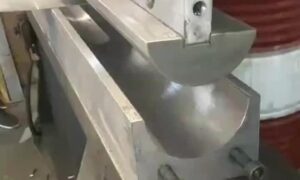
Unlike standard angle bending, radius bending requires continuous and stable material deformation. During the bending process, the sheet metal needs to gradually form a smooth curve instead of a sharp angle. Any small error in tooling design, material selection, or machine parameters may affect the final radius.
Traditional press brake tooling often creates uneven pressure distribution. When the contact force is concentrated in a small area, the surface of the sheet metal may develop visible marks or deformation. This problem becomes more serious when processing thin stainless steel, aluminum sheets, or decorative metal panels where appearance quality is extremely important.
At the same time, ordinary radius dies may struggle to maintain consistent accuracy during long-term production. Continuous high-pressure bending can gradually wear the tooling surface, causing radius changes and reducing product consistency.
For modern manufacturing companies, high-quality radius tooling is no longer just an accessory. It is an important factor that determines production efficiency, product quality, and overall profitability.
The Importance of High-Quality Materials in Press Brake Radius Tooling
The performance of a radius die depends heavily on the material and heat treatment process.
IVILA press brake radius tooling is manufactured using high-strength alloy tool steel and advanced heat treatment technology. The tooling achieves excellent hardness, wear resistance, and pressure resistance, allowing it to maintain stable performance during continuous bending operations.
Compared with conventional tooling, high-quality alloy steel provides better dimensional stability and longer service life. This means manufacturers can reduce tooling replacement frequency, minimize machine downtime, and maintain consistent bending accuracy.
A durable radius die not only improves production reliability but also helps companies reduce long-term operating costs.
Mark-Free Radius Bending Technology for Better Surface Quality
Surface damage is one of the biggest concerns in radius bending applications.
When bending stainless steel panels, aluminum sheets, or other decorative materials, even small scratches or pressure marks can affect the appearance of the finished product. In many cases, manufacturers need additional grinding or polishing processes to repair these defects, which increases labor costs and production time.
IVILA focuses on optimizing radius tooling structures to achieve more uniform pressure distribution during bending. The improved tooling design allows the sheet metal to form smoothly while reducing concentrated pressure points.
With the right radius tooling solution, manufacturers can achieve cleaner surfaces, smoother curves, and better overall appearance without unnecessary secondary processing.
This is especially valuable for industries that require high surface standards, such as architectural decoration, elevator manufacturing, and precision equipment production.
How to Select the Correct Press Brake Radius Tooling?
Selecting the right radius tooling requires consideration of several factors, including material type, sheet thickness, bending radius, machine capacity, and production requirements.
The radius of the tooling should match the required product design. A smaller radius may be suitable for thinner materials, while thicker or stronger materials usually require larger radius solutions to reduce bending stress.
Material hardness is another important factor. Different metals have different deformation characteristics, so the tooling selection must consider the strength and flexibility of the material.
The lower die opening also plays a critical role in radius bending performance. An unsuitable V-opening may increase bending force, create surface marks, or reduce tooling life. Proper matching between the upper radius punch and lower die ensures smoother forming and more stable results.
Professional tooling suppliers can help manufacturers analyze their bending conditions and select the most suitable tooling combination before production.
CNC Radius Tooling Improves Production Efficiency
With the development of CNC press brake technology, manufacturers require tooling that can support higher precision and automation.
Modern CNC press brake radius tooling is designed to provide stable forming performance during repeated production. Precision machining ensures consistent dimensions, while optimized tooling structures help maintain bending quality over long production cycles.
For manufacturers producing large quantities of sheet metal parts, stable tooling performance can significantly reduce product variation and improve overall production efficiency.
By combining advanced CNC press brake machines with professional radius tooling, companies can achieve faster production speeds while maintaining excellent product quality.
IVILA Customized Press Brake Radius Tooling Solutions
Different industries have different requirements for radius bending. Standard tooling may not always meet special applications, especially when dealing with unique product designs or complex forming requirements.
IVILA provides customized press brake tooling solutions according to customer needs. Our product range includes:
- Press brake radius punches and dies
- CNC press brake tooling
- Standard bending tooling
- Special forming tools
- Mark-free bending tooling
- Customized non-standard tooling
From tooling design and material selection to manufacturing and technical support, IVILA helps customers create efficient bending solutions for different applications.
With professional experience in sheet metal forming, IVILA continues to improve tooling performance and provide reliable solutions for global manufacturing industries.
Reduce Bending Defects with the Right Radius Die
Many bending problems are not caused by the press brake machine itself but by incorrect tooling selection.
Using unsuitable radius tooling can result in:
- Uneven bending radius
- Surface marks
- Excessive forming pressure
- Short tooling service life
- Increased production costs
The correct tooling selection can greatly improve product quality and reduce unnecessary processing steps.
A high-performance radius die allows manufacturers to produce smoother curves, more accurate dimensions, and more attractive finished products.
Better Radius Tooling Creates Better Bending Results
Radius bending is a process that requires precision, experience, and reliable tooling. The quality of the press brake radius tooling directly influences the appearance, accuracy, and efficiency of the final product.
Through advanced material technology, optimized design, and professional manufacturing processes, IVILA helps customers overcome common radius bending challenges and improve their production performance.
Whether for standard sheet metal fabrication or customized forming applications, choosing the right radius tooling can reduce defects, lower costs, and create higher-value products.

