
Stamping Die Maintenance Guide: Best Practices to Extend Tool Life
Focus Keyword: stamping die
A reliable stamping die is essential for maintaining stable production, consistent product quality, and efficient manufacturing. However, even high-quality tooling will experience wear over time due to repeated impact, friction, and high-pressure operation.
Proper stamping die maintenance can help manufacturers reduce downtime, prevent unexpected failures, improve stamping accuracy, and extend die service life.
This guide explains practical maintenance methods, including daily inspection, cleaning, lubrication, wear monitoring, and preventive maintenance.
Why Is Stamping Die Maintenance Important?
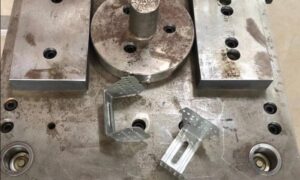
During metal stamping, a stamping die works under continuous pressure and repeated movement. Without proper maintenance, problems such as wear, corrosion, misalignment, and damaged cutting edges can gradually reduce production performance.
Effective maintenance helps manufacturers:
Extend stamping die lifespan、improve production stability、maintain product accuracy、reduce repair costs、minimize production interruptions.
Preventive maintenance is always more economical than repairing damaged tooling after failure.
Daily Inspection of Stamping Die
Regular inspection is the foundation of effective maintenance. Operators should check the condition of the stamping die before, during, and after production.
Inspection Before Production
Before starting the machine, check:
Die installation condition、punch and die surface condition、tool alignment、signs of cracks or damage、material compatibility.
Early inspection helps prevent production problems caused by incorrect installation or damaged components.
Monitoring During Production
During operation, operators should pay attention to abnormal conditions such as:
Unusual noise、excessive vibration、unstable stamping quality、material feeding problems、incorrect part dimensions.
These signs may indicate problems with the stamping die, machine alignment, or worn components.
If abnormal conditions appear, production should be stopped and the tooling should be inspected immediately.
Cleaning After Production
After each production cycle, the stamping die should be cleaned properly.
Maintenance steps include:
Removing metal scraps、cleaning oil residue、removing dust and debris、checking guide components.
Keeping the die surface clean prevents contamination, reduces friction, and improves operating stability.
Regular Preventive Maintenance for Stamping Die
Besides daily inspection, scheduled maintenance is necessary for long-term production.
Proper Cleaning
During long-term operation, metal chips, oil, and dirt may accumulate inside the tooling.
Regular cleaning helps prevent:
Surface damage、poor movement、corrosion、unstable stamping quality.
Special attention should be given to areas such as xxx、xxx、xxx where debris can easily collect.
Correct Lubrication
Lubrication reduces friction between moving parts and improves the working life of the stamping die.
Important lubrication areas include:
Guide pillars、guide bushings、sliding surfaces、punch and die contact areas.
However, excessive lubricant should be avoided because it may contaminate stamped parts and attract dust.
Wear Inspection and Precision Checking
Even small wear can affect stamping accuracy.
Manufacturers should regularly inspect:
Cutting edge condition、die clearance、punch alignment、guide accuracy、surface quality.
Precision measuring tools such as CMM equipment, hardness testers, and surface inspection tools can help identify problems before they affect production.
How to Extend Stamping Die Service Life
The service life of a stamping die depends on design quality, operating conditions, and maintenance methods.
Important practices include:
Maintaining proper stamping die clearance、keeping cutting edges sharp、checking worn components、using suitable lubrication、performing timely repairs.
For example, regular inspection of cutting edges helps prevent excessive burrs and unstable punching performance.
Proper maintenance not only extends tool life but also improves product consistency.
Common Stamping Die Maintenance Mistakes
Many tooling failures are caused by incorrect maintenance practices.
Common mistakes include:
Ignoring small cracks、delaying sharpening、using improper cleaning methods、insufficient lubrication、incorrect storage、continuing production with abnormal conditions.
These problems may appear minor but can lead to expensive repairs and longer production downtime.
Establishing a Stamping Die Maintenance Schedule
A planned maintenance system helps manufacturers control tooling conditions.
A general maintenance schedule includes:
| Maintenance Item | Recommended Frequency |
|---|---|
| Visual inspection | Every shift |
| Surface cleaning | Every shift |
| Lubrication | Daily |
| Wear inspection | Weekly or monthly |
| Precision checking | Based on production requirements |
| Complete maintenance | According to production cycles |
The exact maintenance frequency depends on material type, production volume, stamping speed, and working environment.
Why Choose IVILA Stamping Dies?
IVILA provides high-quality stamping die solutions designed for precision, durability, and long-term production performance.
Our advantages include:
Premium tool steel、precision CNC machining、advanced heat treatment、strict quality inspection、custom die design、professional technical support.
With proper maintenance, IVILA stamping dies provide stable performance and reliable service life for industries such as automotive, electronics, appliances, and industrial manufacturing.
Conclusion
Proper stamping die maintenance is the key to achieving stable production and extending tooling life.
Through regular inspection, cleaning, lubrication, and wear monitoring, manufacturers can reduce failures, improve product quality, and lower operating costs.
Combining reliable stamping die manufacturing with effective maintenance practices allows companies to achieve higher efficiency, longer tool life, and more consistent stamping performance.
FAQ
How often should a stamping die be maintained?
Daily inspection and cleaning are recommended. More detailed maintenance should be scheduled according to production volume, material type, and operating conditions.
What is the most important part of stamping die maintenance?
Regular cleaning, proper lubrication, and timely inspection of wear are the most important steps for preventing early die failure.
How can I extend the life of a stamping die?
Maintain correct clearance, keep cutting edges sharp, lubricate moving parts properly, inspect wear regularly, and store the die correctly when not in use.

