
It’s a common surprise: you see brown rust spots on a stainless steel part and think, “This must be low-quality steel.” But the truth is more complex. Stainless steel can rust, and understanding why is crucial, especially when you’re forming it with a press brake.
Stainless steel earns its name from a thin, protective layer of chromium oxide on its surface. This “passive layer” prevents rust by blocking oxygen. However, anything that damages this layer can lead to corrosion.
Common Causes of Rust on Stainled Steel
- Surface Contaminants: Iron dust from other metalworking or异类金属颗粒 can settle on the surface. In humid conditions, this creates a tiny battery effect (galvanic corrosion), breaking down the protective layer.
- Chemical Exposure: Strong acids, alkalis, or salts (common in construction or industrial environments) can cause localized corrosion.
- Organic Matter: Food, fingerprints, or other organic residues can trap moisture and form corrosive elements over time.
The Press Brake Tooling Connection
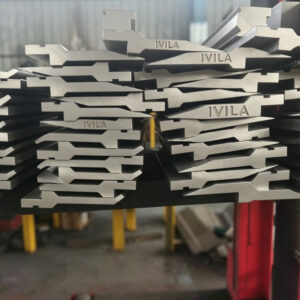
This is where your Ivila press brake tooling becomes critical. The bending process itself can impact stainless steel’s corrosion resistance.
- Surface Scratches: Poorly maintained or incorrect tooling can scratch the surface during bending. These scratches are micro-failures in the protective layer, creating starting points for rust.
- Iron Contamination: If your Ivila press brake tooling is used on carbon steel and then on stainless without cleaning, it can transfer iron particles onto the stainless surface, directly causing galvanic corrosion.
- Stress and Strain: The cold-working during bending can alter the steel’s microstructure at the bend. This can make those specific areas slightly more susceptible to corrosion in harsh environments if the material’s composition is borderline.
How to Prevent Rust During and After Bending
- Choose the Right Material: For harsh environments (like coastal areas), specify 316 stainless steel, which has higher molybdenum content for better corrosion resistance.
- Dedicated & Clean Tooling: Ideally, use tooling dedicated to stainless steel. Wipe down your Ivila press brake tooling and the material before bending to remove any contaminants.
- Proper Handling: Always handle stainless steel with clean gloves to prevent oils and salts from your skin from contaminating the surface.
- Post-Processing: After bending, clean the part thoroughly to remove any contaminants introduced during fabrication. For critical applications, passivation—a chemical process that restores the protective oxide layer—may be necessary.
Conclusion: It’s a System, Not Just the Steel
Rust on stainless steel is often a sign of external attack, not a faulty material. The integrity of your final bent part depends on a chain of quality: the right stainless steel grade, proper handling, and using clean, well-maintained Ivila press brake tooling. By controlling your fabrication process, you protect the innate corrosion resistance you paid for.

