
In sheet metal stamping production, a trimming die plays an important role in achieving accurate dimensions, clean edges, and consistent part quality. After forming or deep drawing, excess material must be removed precisely, and the trimming process directly affects the final appearance and performance of stamped parts.
However, even a well-designed trimming die may experience problems caused by incorrect clearance, tooling wear, poor maintenance, or unstable production conditions.
This article explains common trimming die defects, their causes, and practical solutions to help manufacturers improve production efficiency, reduce scrap rates, and extend die service life.
What Is a Trimming Die?
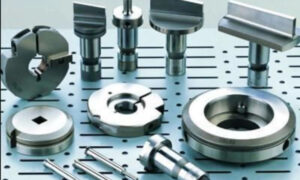
A trimming die is a specialized stamping tool used to remove unwanted material from formed sheet metal parts along a specific cutting line.
Unlike standard blanking or piercing dies, trimming dies usually work with three-dimensional formed parts such as xxx、xxx、xxx. Therefore, trimming die design requires careful consideration of:
Trimming direction、part positioning、cutting force balance、scrap removal、part ejection.
A properly designed trimming die ensures stable cutting performance and improves production reliability.
Why Trimming Die Design Is Challenging
Compared with flat sheet stamping operations, trimming formed parts requires dealing with more complex conditions.
During trimming, engineers need to consider:
Complex cutting shapes、material springback、side cutting forces、part positioning accuracy、cutting edge durability.
Small design errors may result in burrs, deformation, poor trimming accuracy, and reduced tool life.
Therefore, professional trimming die design is essential for maintaining stable production.
Common Trimming Die Defects and Solutions
Excessive Burrs on Trimmed Parts
Burrs are one of the most common quality problems during trimming operations.
A small amount of burr may be acceptable, but excessive burrs can affect assembly, appearance, and further processing.
Common Causes
The main reasons include:
Worn cutting edges、incorrect die clearance、damaged tooling surfaces、poor die alignment.
Effective Solutions
Manufacturers can improve trimming quality by:
Optimizing punch and die clearance、sharpening cutting edges regularly、checking tool wear、using high-quality die materials.
Proper maintenance helps maintain clean cutting edges and stable trimming performance.
Part Deformation After Trimming
After trimming or piercing, some parts may experience deformation problems such as:
Warped edges、distorted holes、uneven dimensions、part shape changes.
These defects are usually caused by:
Insufficient holding force、incorrect cutting clearance、worn cutting components、unstable part positioning.
To solve these problems, manufacturers should:
Adjust holding pressure、improve positioning design、replace worn components、optimize trimming parameters.
A well-designed trimming die reduces deformation and improves dimensional accuracy.
Poor Scrap Removal During Trimming
Efficient scrap removal is important for continuous production.
When scrap cannot be discharged smoothly, it may cause:
Die damage、production interruptions、reduced efficiency、safety problems.
Common causes include:
Poor scrap channel design、insufficient discharge space、incorrect scrap cutter structure、material blockage.
Recommended solutions include:
Improving scrap channels、optimizing scrap cutter design、removing obstacles、checking discharge paths regularly.
Good scrap management helps extend trimming die life and improves production efficiency.
Metal Chip Marks on Stamped Parts
During trimming, small metal chips may remain on the workpiece surface and create marks during later processes.
This problem is especially important for industries requiring high surface quality.
Main causes include:
Incorrect clearance、excessive cutting depth、worn cutting edges、poor material condition.
Solutions include:
Adjusting trimming clearance、controlling cutting depth、cleaning and polishing cutting edges、replacing damaged tooling.
Proper trimming die maintenance helps prevent surface defects and improves final product quality.
Importance of Trimming Die Maintenance
Even a high-quality trimming die requires regular maintenance to maintain performance.
A proper maintenance plan should include:
Cleaning cutting edges regularly、checking wear conditions、lubricating guide components、inspecting fasteners、checking alignment accuracy、cleaning scrap channels.
Routine maintenance reduces unexpected downtime and extends trimming die service life.
Regular inspection also helps manufacturers identify potential problems before they affect production quality.
How to Choose a High-Quality Trimming Die
When selecting a trimming die, manufacturers should focus on quality, accuracy, and long-term performance rather than only initial cost.
Important factors include:
High-quality tool steel、precision CNC machining、proper heat treatment、accurate inspection、custom design capability、technical support.
A reliable tooling supplier can help manufacturers improve production stability and reduce maintenance costs.
Why Choose IVILA Trimming Dies?
IVILA provides precision trimming die solutions for industries such as automotive, appliances, industrial manufacturing, and metal fabrication.
Our tooling advantages include:
Premium alloy tool steel、precision machining、advanced heat treatment、custom tooling design、strict quality inspection、long service life.
With professional manufacturing experience, IVILA helps customers improve trimming accuracy, reduce production defects, and achieve more efficient stamping operations.
Conclusion
A high-performance trimming die is essential for producing accurate and reliable stamped parts.
Common issues such as burrs, deformation, poor scrap removal, and surface damage can be effectively reduced through optimized die design, correct process control, and regular maintenance.
By improving trimming die quality and following proper maintenance practices, manufacturers can achieve better product consistency, lower scrap rates, and longer tooling life.
For companies looking for durable and precision trimming die solutions, IVILA provides reliable tooling designed for modern sheet metal stamping production.

